
In the ever-evolving landscape of healthcare technology, having a system that seamlessly integrates patient data, streamlines communication, and enhances overall patient care is crucial. At present, healthcare organizations are constantly seeking innovative solutions to simplify the patient’s care, improve efficiencies, and also develop the patient’s outcomes into the next level.
Therefore, Salesforce Health Cloud emerges as a game-changer in the healthcare industry, offering a comprehensive platform designed to address the unique challenges faced by healthcare providers.
This article delves into an overview of Salesforce Health Cloud, exploring its key features, benefits, and how it empowers healthcare organizations to deliver exceptional patient care.
Let’s get started!
Unlocking the Key Features of Salesforce Health Cloud:
Salesforce Health Cloud, a powerful platform which is specifically designed to meet the unique needs of healthcare providers and organizations.
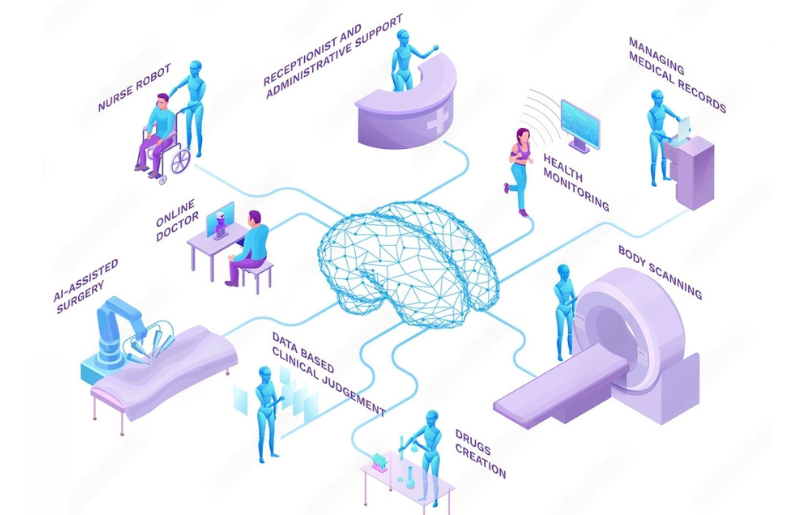
Now, we will delve into the key features of Salesforce Health Cloud that make it an ultimate game-changer in the healthcare industry. Keep reading!
1. Unified Patient Profile:
Salesforce Health Cloud provides a unified view of patient data, including medical history, treatment plans, medications, lab results, and more. This centralized profile enables healthcare providers to access critical information in real-time, facilitating informed decision-making and personalized care.
2. Care Coordination:
The platform facilitates seamless collaboration among healthcare teams, allowing for the coordination of care plans, appointments, referrals, and follow-ups. With shared access to patient data, providers can work together efficiently to deliver coordinated care across all touchpoints.
3. Patient Engagement:
Salesforce Health Cloud incorporates tools to engage patients actively in their care journey. From secure messaging and appointment scheduling to personalized wellness plans and educational resources, the platform empowers patients to take control of their health and well-being.
4. Analytics and Reporting:
By harnessing the power of data analytics, Salesforce Health Cloud enables healthcare organizations to gain valuable insights into patient trends, outcomes, and performance metrics. This data-driven approach aids in identifying areas for improvement, enhancing operational efficiency, and driving optimal patient outcomes.
5. Centralized Patient Database:
Salesforce Health Cloud provides a centralized platform where healthcare providers can access all patient information in one place. Also, this allows for a comprehensive view of a patient’s health history, treatment plans, and communications across multiple channels.
6. Seamless Integration with Electronic Health Records (EHR):
The platform seamlessly integrates with EHR systems, ensuring that all patient data is up to date and easily accessible. This integration eliminates the need for manual data entry and reduces the risk of errors or discrepancies in patient records.
7. Customizable Dashboards and Reports:
Salesforce Health Cloud offers customizable dashboards and reports that allow healthcare providers to analyze patient data and trends effectively. These insights enable providers to make informed decisions and improve patient outcomes.
8. Care Team Collaboration:
The platform facilitates seamless communication and collaboration among care team members, including physicians, nurses, and specialists. Care team members can securely share information, track care plans, and coordinate patient care in real-time.
9. Task Automation and Reminders:
Salesforce Health Cloud automates routine tasks and sends reminders to care team members for scheduled appointments, follow-ups, and medication reminders. This automation streamlines the care delivery process and enhances patient engagement.
10. Patient Portals:
Salesforce Health Cloud includes patient portals that allow patients to access their health information, communicate with providers, and schedule appointments online. This self-service functionality empowers patients to take control of their health and improves their overall experience.
11. Personalized Care Plans:
Providers can create personalized care plans for patients based on their individual needs and preferences within Salesforce Health Cloud. By leveraging the data insights provided by Health Cloud, healthcare organizations can create personalized care plans tailored to each patient’s specific needs and preferences. This personalized approach enhances patient engagement, adherence to treatment plans, and overall satisfaction with the care they receive.
Salesforce Health Cloud Diagram:
The Salesforce Health Cloud Diagram is a cloud system that helps healthcare organizations see a patient’s medical history in one place and coordinate care between providers.

The diagram of Salesforce Health Cloud includes:
- Salesforce Health Cloud: Manages patient care with features such as appointment scheduling, care coordination, and patient engagement.
- Middleware: Connects Salesforce Health Cloud with other systems like electronic medical records (EMRs) and external scheduling systems.
- REST calls: Facilitate communication between system components.
- HL7: Standard for sharing healthcare data.
Top Benefits of Salesforce Health Cloud for Healthcare Organizations
Designed specifically for healthcare providers, Health Cloud offers a wide range of benefits that can revolutionize the way healthcare organizations deliver standard care and engage with patients.
Let’s discover the key benefits of Salesforce Health Cloud in details.
1# Increased Efficiency:
One of the primary benefits of Salesforce Health Cloud is its ability to automate repetitive tasks, reduce manual data entry, and enhance communication among care teams. This efficiency boost allows healthcare organizations to focus more time and resources on delivering high-quality care while optimizing operational processes.
2# Enhanced the Patient’s Care Synchronization:
Another key benefit of Salesforce Health Cloud is improved care synchronization. With Health Cloud, healthcare providers can easily access and share patient information in real-time, ensuring that all members of the care team are on the same page. This streamlined communication can lead to more efficient care delivery and better outcomes for patients.
3# Data Security and Compliance:
Data security and compliance are top priorities for healthcare organizations, and Salesforce Health Cloud can help ensure that patient data is protected. With robust security features and compliance with industry regulations such as HIPAA, Health Cloud provides a secure environment for storing and managing sensitive health information.
4# Streamlined Operations:
By centralizing patient data and streamlining workflows, Salesforce Health Cloud can significantly improve operational efficiency for healthcare organizations. With automated processes, custom workflows, and real-time analytics, providers can reduce administrative burdens and focus more on delivering high-quality care to patients.
5# Scalability and Flexibility:
The scalable nature of Salesforce Health Cloud makes it suitable for healthcare organizations of all sizes, from small clinics to large hospital systems. Its flexible design allows for customization to meet specific organizational requirements and adapt to evolving healthcare trends. Whether it’s adding new features, integrating third-party apps, or expanding to new departments, this health cloud can grow with the organization and progress over time.
How Salesforce Health Cloud Revolutionizes Patient Care in Healthcare Organizations
In the evolving landscape of healthcare, delivering exceptional patient care has become a top priority for organizations. With the advent of technology, platforms like Salesforce Health Cloud have emerged as powerful tools to streamline processes, improve communication, and enhance overall patient experience.
Now, we will explore on how Salesforce Health Cloud empowers healthcare organizations to deliver exceptional patient care through innovative solutions and personalized interactions. Happy learning!
1# Efficient Patient Data Integration:
Salesforce Health Cloud allows healthcare organizations to integrate patient data from various sources, creating a comprehensive view of the patient’s health history, treatment plans, and progress. This seamless integration eliminates silos of information, enabling healthcare professionals to make informed decisions quickly and efficiently.
2# Enhanced Communication:
Salesforce Health Cloud provides a centralized platform for communication among healthcare providers, allowing for real-time collaboration and information sharing. Improved communication leads to better coordination of care, reduced errors, and ultimately, better outcomes for patients.
3# Remote Patient Monitoring:
Health Cloud enables remote patient monitoring through connected devices, allowing healthcare providers to track patient progress outside of the traditional clinical setting. This proactive approach to monitoring helps identify potential health issues early, leading to timely interventions and improved patient outcomes.
4# Patient Self-Service Portals:
With Health Cloud, healthcare organizations can offer patient self-service portals where patients can access their health information, schedule appointments, and communicate with their care team. Empowering patients to take an active role in their healthcare promotes engagement, adherence to treatment plans, and ultimately better health outcomes.
5# Seamless Appointment Scheduling:
Health Cloud streamlines the appointment scheduling process, making it easier for patients to book appointments, receive reminders, and access telehealth services. This seamless experience contributes to patient satisfaction, reduces no-show rates, and ensures timely access to care.
6# Predictive Analytics:
Salesforce Health Cloud leverages predictive analytics to forecast patient outcomes, identify at-risk populations, and optimize resource allocation. These data-driven insights enable healthcare organizations to proactively address patient needs, improve care delivery, and drive better clinical outcomes.
7# Performance Metrics Tracking:
Health Cloud provides robust analytics tools that track key performance metrics such as patient satisfaction scores, operational efficiency, and clinical outcomes. By monitoring these metrics, healthcare organizations can identify areas for improvement, implement targeted interventions, and continuously enhance the quality of care.
In Conclusion:
In today’s digital age, healthcare organizations are increasingly turning to advanced technologies to streamline their operations and enhance patient care. One such technology that has gained significant popularity is Salesforce Health Cloud.
This health cloud stands out as a transformative solution for healthcare organizations seeking to elevate patient care, improve operational efficiency, and drive positive outcomes. By leveraging its advanced features and benefits, healthcare providers can embark on a journey towards delivering exceptional care experiences and enhancing overall healthcare delivery.
Finally, embrace the power of Salesforce Health Cloud and revolutionize the way you care for your patients. To keep in mind, the key to success lies in adopting innovative solutions that empower healthcare providers to deliver the highest standard of care.
Do have any questions? Please let us know in the comment section below. Thanks for reading.
 Lightning Architects
Leave a comment