Lead and Opportunity Oversight in Salesforce Sales Cloud
Lead and opportunity monitoring in Salesforce Sales Cloud is a powerful strategy that allows businesses to track prospective customers from their first interaction with the platform to their final conversion.
From initial outreach to realisation and beyond, this comprehensive approach offers a structured way to manage leads and opportunities, leading to increased conversion rates and business growth.

Marketing campaigns, website queries, and direct calls from B2B or B2C events are all examples of lead generation sources that can produce raw prospects in the Salesforce Sales Cloud system.
Businesses can use the platform’s features to collect leads, filter them by engagement data and history, and score them based on a variety of factors, including demographics, behavioural patterns, and engagement data and history. Possibilities are high-quality, qualified leads that have been successful.
Optimal Lead Handling Strategies
Lead handling software in Salesforce Sales Cloud is a game-changer for any business. It plays a crucial role in converting prospects into committed customers, a key factor for consistent, long-term growth.
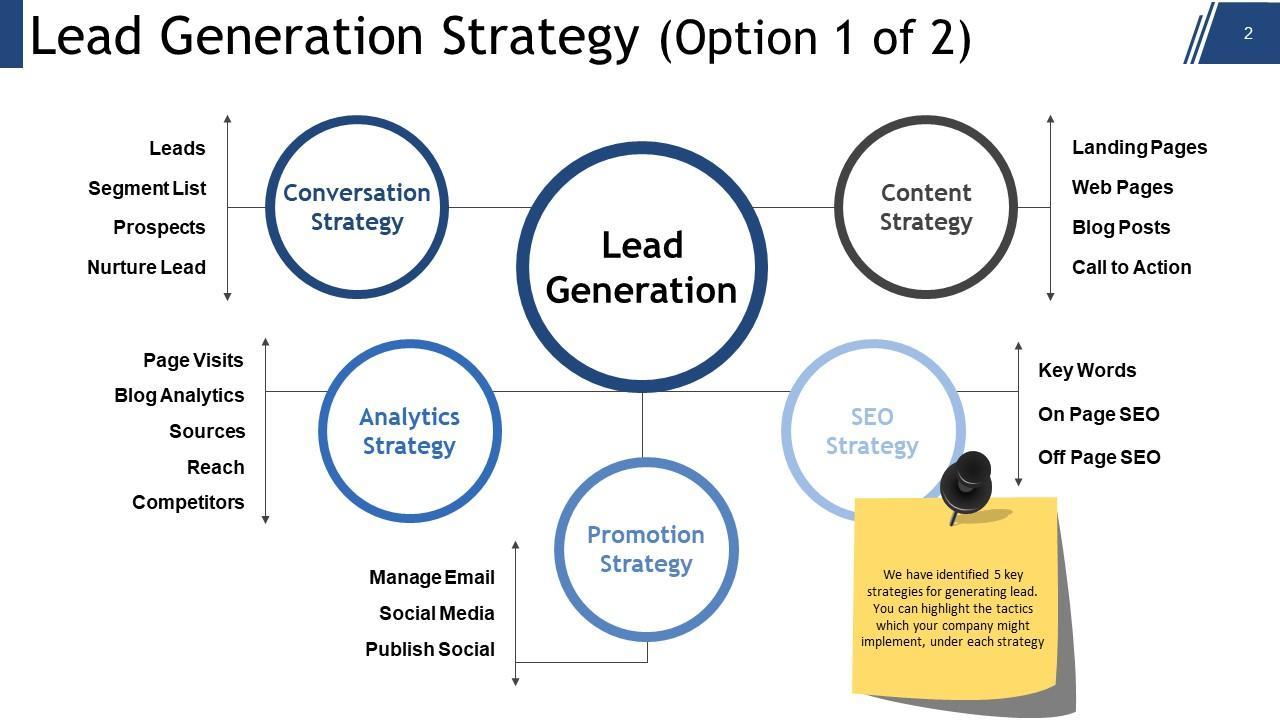
By effectively managing leads, businesses can achieve high conversion rates and ensure a steady stream of new customers.
Quality-Based Lead Prioritization:
One of the key features of Salesforce Sales Cloud is the ability to prioritise leads based on their quality. This process tailors strategies to each individual lead, giving each lead the individual attention it needs to convert as effectively as possible based on demographic, behavioural, and engagement indicators.
Timely Response Times:
If you move quickly with Salesforce Sales Cloud, you may increase the conversion rate by better securing lead interest and seeing it through to completion.
An increase in the likelihood of conversion can be achieved by improving lead engagement through automated responses or by allocating them to the dedicated staff that responds to leads.
Utilising Lead Scoring Systems:
Integrating lead scoring algorithms into Salesforce Sales Cloud is a strategic move for businesses. It allows them to identify the most promising leads, enabling them to focus on initiatives with the highest conversion potential.
This, in turn, leads to improved sales force efficiency, as businesses can allocate their resources more effectively based on indicators like engagement levels, demographics, and purchase intent.
Nurturing Through Content:
Salesforce Sales Cloud content nurturing leads is crucial for generating quality leads by giving them helpful information and education.
By providing them with relevant information and learning through tailored emails, content marketing campaigns, or even targeted material, this process guarantees that the nurtured leads are transformed into trustworthy and reliable individuals.
CRM Systems Integration:
Integrating Salesforce Sales Cloud with customer relationship management (CRM) solutions will streamline lead handling.
This system’s ability to facilitate a smooth flow of lead chase, accurate tracking of those leads, and highly personalised follow-ups will improve the whole process of managing leads.

Significance of Effective Management
As one might expect, Salesforce Sales Cloud’s intricate environment revolves around control. But it’s not just about control, it’s about empowering you. Its strengths lie in its strong supervision, which is why lead and opportunity management call it home.
With this powerful tool at your disposal, you can navigate the complex sales landscape with confidence and control, feeling empowered every step of the way.
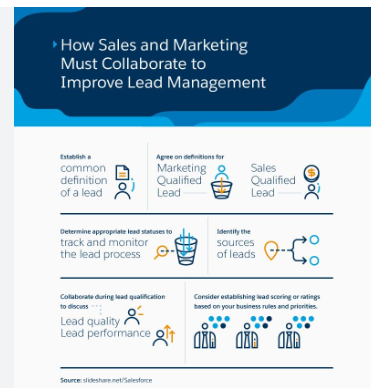
Driving Organisational Success:
Integrating key success drivers, such as effective lead and opportunity management strategies, into Salesforce Sales Cloud is an integral part of efficient management.
With these success drivers in place, you can be sure that your potential leads are being handled with the right strategy, that opportunities are being addressed effectively, and that resources are being provided to achieve your desired outcome.
Optimising Lead and Opportunity Processes:
Optimising procedures that lead to and manage opportunities strategically is the first step in effective management within Salesforce Sales Cloud. After decisions are made, everything needs to be in sync with workflows, necessary automation tools, and data understanding for effective conversions.
Fostering Collaboration and Accountability:
Collaborative and accountable work practices are not just buzzwords but the backbone of successful management with Salesforce Sales Cloud. This platform fosters a team culture where everyone’s contribution is valued and acknowledged, making you feel integral to the process.
Effective teamwork involves several practices, including but not limited to open lines of communication, well-defined roles and duties, and performance measurements, to increase output and efficiency in pursuit of a shared goal.
Adaptability in a Dynamic Environment:
There is constant movement in the business world, and Salesforce Sales Cloud is no exception. Market trends, consumer tastes, and the level of competition are all subject to change.
Good management is not just important, it’s paramount when it comes to managing risks, taking advantage of opportunities, and adapting to change, making you feel prepared and capable in the face of uncertainty.
Sustainable Growth:
Successful management of the Salesforce Sales Cloud is critical to attaining sustained growth. Optimising your lead and opportunity management systems will mean more potential and more profits in the long run.
Take advantage of this robust platform by embracing collaboration, such as sharing best practices and collaborating on sales strategies, and being flexible, such as adapting to new features and updates, to maximize the benefits of Salesforce Sales Cloud and drive sustained growth.
Lead Rating and Opportunity Assessment in Salesforce Sales
Salesforce Lead Evaluation and Opportunity Scoring Sales is a Salesforce feature that helps you manage and comprehend leads and prospects. We assign a score to each lead based on factors such as the detail provided, the level of interest, and the likelihood that the lead would make a purchase soon.
The objective is to zero in on the most promising leads and quickly nurture them into paying clients.
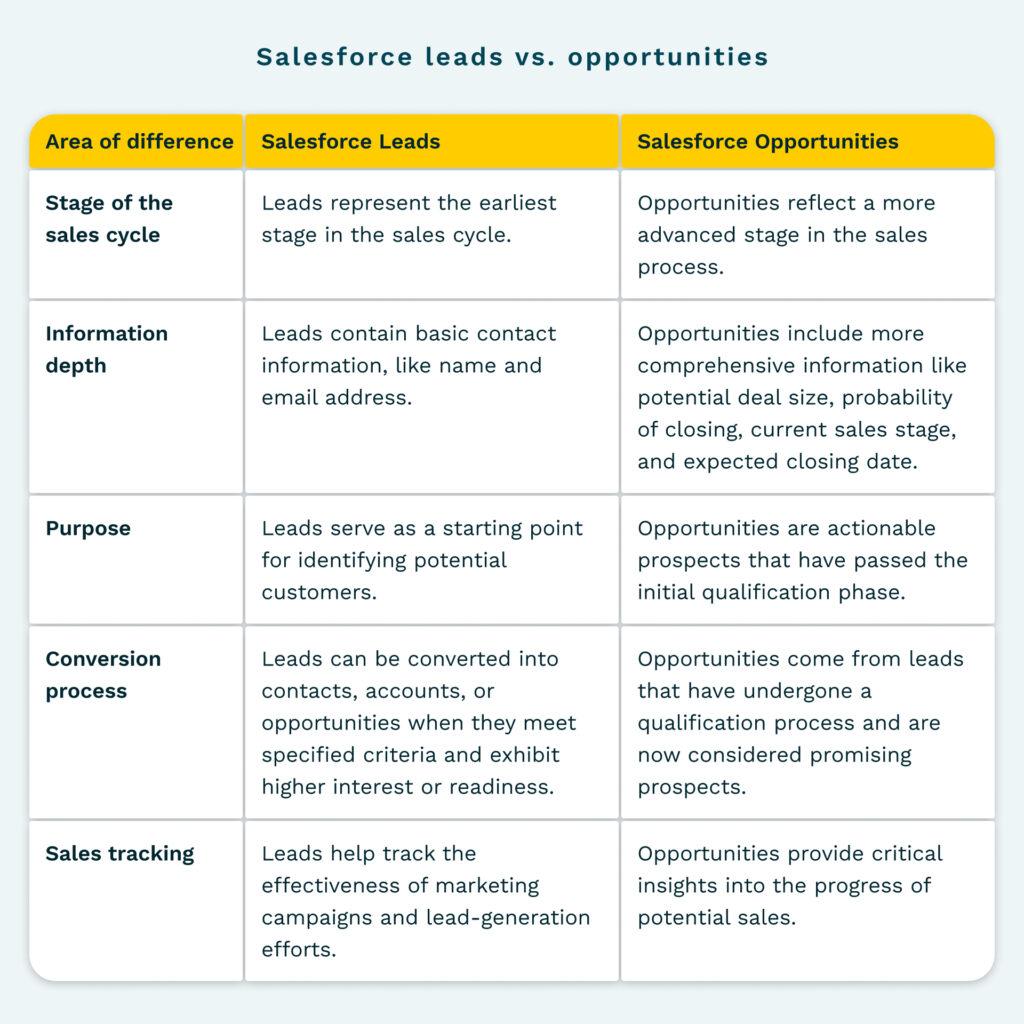
Lead scoring allows us to categorise leads according to their purchase likelihood. That way, we can tailor our conversations to each prospect based on their stage in the sales funnel.
By categorising them, we can tailor our communications to each lead’s preferences and interests, which can help us sell more effectively. Finally, lead scoring encourages marketing and sales to work together.
Sales Pipeline Tracking and Management in Salesforce Sales Cloud
In Salesforce Sales Cloud, “sales pipeline tracking and management” means regularly keeping tabs on every customer acquisition and sales process stage. This entails overseeing the entire deal lifecycle, from initiation to completion, including all leads, opportunities, and stages.

The sales pipeline in Salesforce Sales Cloud is a digital depiction of the entire procedure. Sales Cloud provides exceptional possibilities for managing and controlling the pipeline through customising sales stages, opportunity tracking mechanisms and reporting visualisation.
Sales-ready stakeholders manage their status and progress as leads and opportunities move through prospecting and closing.
Lead and Opportunity Management:
By harnessing the power of lead and opportunity objects in Salesforce, your sales team can efficiently capture, qualify, and track leads and opportunities as they progress through the sales pipeline, empowering them to stay in control of their sales process.
Sales Path and Guided Selling:
A well-defined sales path is a powerful tool that guides salespeople at every stage of the sales cycle, ensuring they are on the right track at the right time. Consider using a marketing automation and customer relationship management checklist to further enhance this process.
Forecasting And Reporting:
Equip your team with the ability to generate accurate performance reports and sales forecasts using the powerful forecasting tools and customisable reporting in Salesforce. This will empower them to make informed decisions, fostering a sense of confidence and knowledge.
Automation and Workflow:
Use automation implementation tools and process builders to streamline your sales processes and eliminate tedious manual labour.
Integration with Marketing and Service:
Facilitate communication between the marketing and sales departments by integrating the Salesforce Sales Cloud with the Marketing and Service Clouds.
Conversion Strategies for Leads in terms Salesforce Sales Cloud
In Salesforce, sales cloud and lead conversion tactics are necessary to maximize the platform’s features for nurturing and converting leads into possibilities and eventually into paying customers. Some of the key strategies are given below:

Lead Qualification: More time and energy should be devoted to the leads with the best chance of becoming opportunities. Lead scoring and qualification tools should rank leads according to factors like demographics, engagement level, and purchase intent.
Lead Nurturing: Keep leads engaged and up-to-date with the help of Salesforce’s features. Send them emails with personalised content to help customers through the buying process and earn their trust.
Sales Engagement: Equip your sales staff with the tools to engage leads efficiently. Features such as activity tracking, sales scripts, and lead assignment rules are designed to streamline sales operations and ignite productivity in Salesforce.
This empowerment can inspire and motivate your sales team, driving them to achieve more and exceed their targets.
Personalization: With Salesforce’s robust customer data, you have the power to personalize your interactions with leads. By understanding their requirements and preferences, you can send timely and appropriate messages to them.
Uncover what each lead wants by using data segmentation and targeting tactics, putting you in control of your sales strategy.
Final Thoughts
Salesforce Sales Cloud, with its user-friendly interface, effortlessly converts leads into clients. It does so by meticulously selecting the most promising leads, maintaining their interest and involvement, and ensuring they turn into devoted clients. This aids business expansion and client satisfaction, all while making your sales process a breeze.
 Lightning Architects
Leave a comment